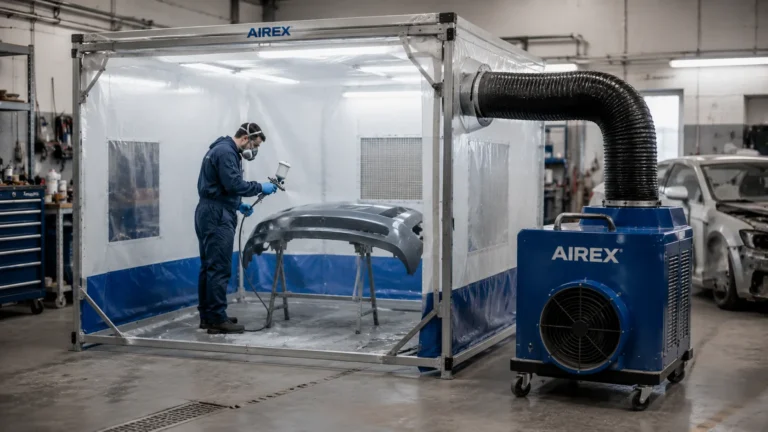

A clean spray booth supports better finishes, safer working conditions, and lower operating costs. Dust, overspray, and blocked filters reduce airflow and affect coating quality. Poor maintenance also increases fire risks and raises energy use. Many workshops lose production time because of preventable cleaning issues and inefficient airflow systems.
Keeping a Spray Booth Clean requires daily attention and planned servicing. A clean booth improves paint adhesion and reduces contamination defects. It also extends filter life and protects extraction equipment from strain. Modern spray booths rely on balanced airflow, controlled temperatures, and clean surfaces for consistent results.
Workshops that maintain their booths properly often reduce paint waste and improve turnaround times. Clean systems also support compliance with workplace safety standards. Whether you use a dry filter booth or water wash system, regular maintenance keeps performance stable. A structured cleaning routine makes operations safer, more reliable, and more cost-effective.
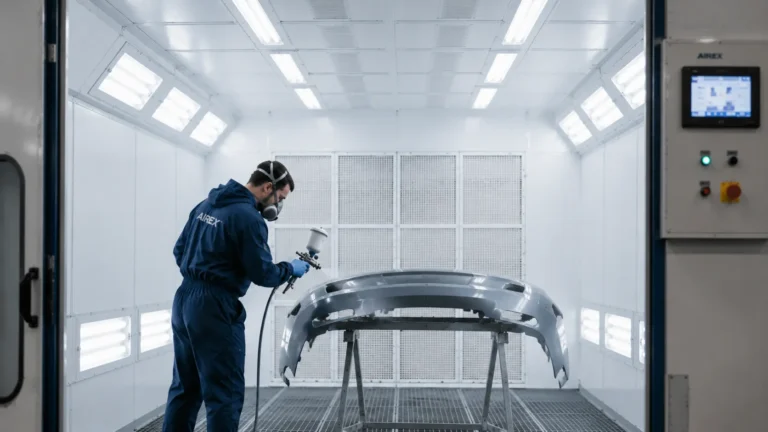
A clean booth produces smoother and more professional paint finishes. Dust particles and overspray create blemishes, uneven coatings, and rework costs. Even small contamination problems can affect customer satisfaction and production schedules.
Proper cleaning keeps airflow balanced and reduces airborne particles. This creates a controlled environment for spraying. Consistent airflow also helps paint dry evenly across surfaces. Workshops that maintain a Spray Booth Clean often experience fewer rejected jobs and reduced material waste.
Key benefits include:
Reduced paint contamination.
Improved coating adhesion.
Lower rework and repair costs.
Better customer satisfaction.
Consistent finish quality.
Paint particles and solvent vapours create serious workplace risks. Dirty booths trap overspray and reduce ventilation performance. Poor extraction increases worker exposure to harmful fumes and airborne contaminants.
Regular cleaning supports safer airflow levels and prevents excessive residue build-up. Clean booths also lower the chance of fire hazards caused by flammable overspray deposits. Staff can work more comfortably when ventilation systems operate efficiently.
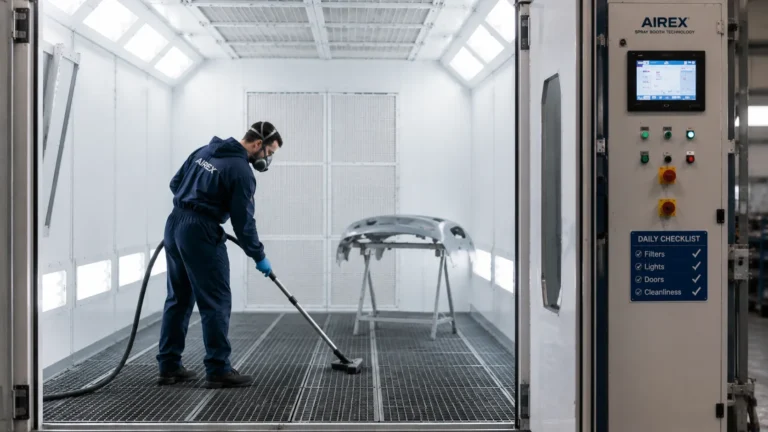
Daily maintenance prevents overspray accumulation and keeps operations running smoothly. Simple tasks completed after each shift reduce larger cleaning requirements later. Staff should inspect booth walls, floors, and extraction areas before shutting down equipment.
Wiping surfaces removes fresh paint residue before it hardens. Sweeping floors prevents dust from circulating during spraying. Operators should also inspect filters for visible blockages and airflow changes.
Daily tasks should include:
| Cleaning Task | Purpose | Recommended Frequency |
|---|---|---|
| Sweep booth floor | Reduce dust circulation | Daily |
| Wipe walls and panels | Remove fresh overspray | Daily |
| Inspect filters | Maintain airflow | Daily |
| Empty waste containers | Improve safety | Daily |
| Check extraction fans | Prevent airflow issues | Daily |
These steps help keep a Spray Booth Clean without causing production delays.
Weekly cleaning focuses on deeper contamination areas. Extraction ducts, fan blades, and lighting covers collect overspray over time. Ignoring these areas reduces efficiency and airflow performance.
Monthly inspections should include moving parts and electrical systems. Damaged seals or worn filters affect pressure balance inside the booth. Workshops should replace filters according to manufacturer recommendations rather than waiting for severe clogging.
Important weekly checks include:
Cleaning intake grilles.
Removing paint residue from ducts.
Inspecting fan belts and motors.
Testing lighting visibility.
Checking pressure gauges.
Planned maintenance prevents sudden equipment failures and costly downtime.
Filters control airflow quality and capture overspray particles. Dirty filters restrict air movement and force extraction systems to work harder. This increases energy use and reduces spraying efficiency.
A blocked filter can also create uneven airflow patterns. Painters may notice dust circulation, poor drying conditions, or inconsistent paint coverage. Replacing filters at the right intervals maintains stable booth pressure and cleaner air.
Common filter types include:
Intake filters.
Exhaust filters.
Ceiling diffusion filters.
Paint arrestor filters.
Each filter type supports airflow balance and contamination control. Proper maintenance helps keep the booth operating efficiently.
Operators should recognise warning signs before performance declines significantly. Reduced airflow often appears gradually, making regular inspections important. Pressure gauges provide useful indicators when filters become overloaded.
Common signs include:
Reduced extraction strength.
Increased dust levels.
Stronger paint odours.
Longer drying times.
Visible overspray build-up.
Maintaining a Spray Booth Clean depends heavily on timely filter replacement and airflow monitoring. Read our ultimate guide to Factory Paint Finishing.
Well-trained staff improve booth reliability and workplace safety. Cleaning routines become more effective when every operator follows the same procedures. Training should include filter inspections, safe solvent handling, and airflow awareness.
Clear schedules also prevent missed maintenance tasks. Workshops often benefit from visible cleaning checklists placed near booth entrances. Simple documentation helps managers track servicing intervals and identify recurring issues.
Training areas should cover:
Safe cleaning methods.
Proper waste disposal.
Filter inspection procedures.
Emergency shutdown steps.
Airflow monitoring basics.
Consistent staff habits support cleaner working environments and stronger operational efficiency.
Harsh chemicals can damage booth surfaces and extraction components. Cleaning products should match the booth manufacturer’s recommendations. Non-abrasive solutions protect coated panels and maintain lighting clarity.
Fast-drying cleaners reduce downtime between spraying sessions. Workshops should avoid products that leave residue or increase airborne particles. Proper cleaning materials improve surface cleanliness without affecting airflow systems.
Using the right products also extends equipment lifespan. This lowers maintenance costs and keeps booth performance stable over time.
Keeping a spray booth clean and efficient improves finish quality, worker safety, and equipment reliability. Regular cleaning prevents overspray build-up and supports consistent airflow performance. Daily inspections and planned maintenance reduce unexpected downtime and lower operating costs. Workshops that maintain clean booths often achieve better productivity and fewer coating defects.
A structured maintenance routine helps protect filters, extraction systems, and painted surfaces. Staff training also plays an important role in maintaining consistent cleaning standards. Small maintenance tasks completed regularly prevent larger operational problems later.
Businesses that prioritise a Spray Booth Clean create safer and more professional working environments. Clean systems support efficient airflow, reduced waste, and stronger long-term performance. With proper maintenance habits, spray booths remain reliable, compliant, and cost-effective for years.